
By David Porter
The town’s efforts to revamp its decade-old waste disposal guidelines and contract directly with haulers – and, eventually, require more residents to compost their food waste – advanced Monday night when the Council authorized Town Manager Paul Bockelman to begin the process of issuing a request for proposal to trash haulers.
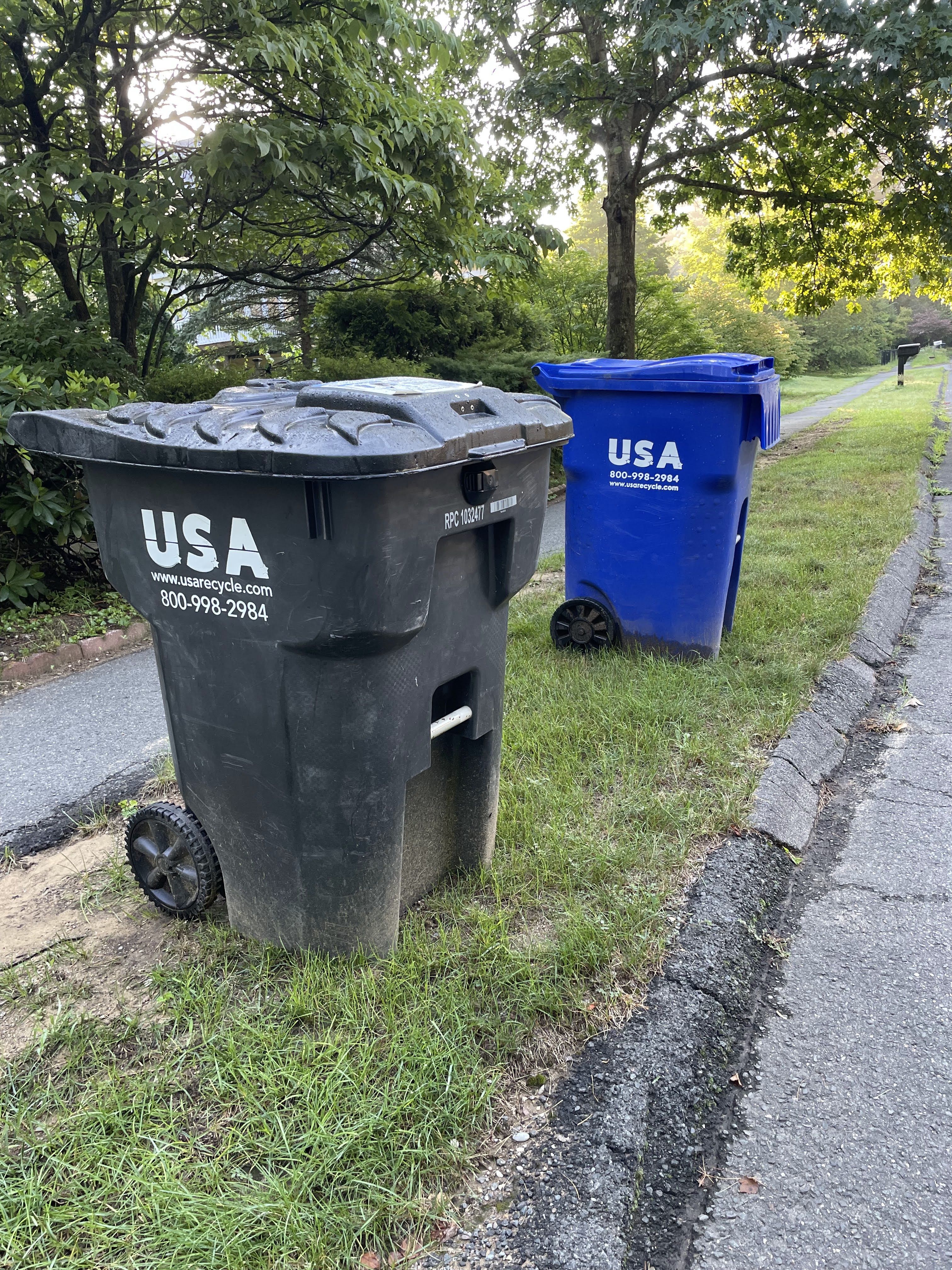
Many steps remain before any changes will be made to the town’s waste disposal bylaw, and residents wouldn’t be affected until at least July 2026, according to a work plan submitted to the Council recently by the Town Services and Outreach Committee (TSO), which is spearheading the effort.
Still, Monday’s action was necessary to move the process forward after lingering questions over many of the proposal’s details kept it off the Council agenda the last two months. The current effort to update the town’s trash and recycling guidelines dates to 2020 when Amherst received a state environmental grant to study the issue. Two years ago, the TSO was tasked with drafting recommendations to amend the current guidelines.
The Council’s unanimous vote (with one absence) gives Bockelman the authority to issue the RFP, though Council members said Monday he has indicated his office doesn’t currently have the resources or staff to do this in-house, thus requiring the hiring of a consultant. Public Works Superintendent Guilford Mooring estimated Monday a consultant could cost the town between $50,000 to $75,000.
Currently, single-family homeowners and multi-unit apartment or condo complexes pay waste haulers directly. USA Waste and Recycling, the primary hauler serving Amherst, collects trash and recycling and also offers organic waste composting for an additional monthly fee of about $15, though it doesn’t promote the service and few customers use it. Residents also can pay per bag to dispose of trash at the Amherst Transfer and Recycling Center on Route 9, which also accepts food waste compost as part of its annual fee and accepts bulk recycling on a per-item basis.
While myriad details still need to be agreed upon, in general the proposed new bylaw would authorize the town to accept bids from waste haulers, eventually require residents to compost organic waste (with some exemptions) and institute a pay-as-you-throw system that would encourage residents to decrease the amount of non-recyclable trash they produce. Supporters say this will reduce the amount of organic waste in landfills, reduce greenhouse gases and address a looming shortage of landfill space in the state. They also say the bidding process would lead to savings for residents, though some Council members were skeptical of that claim.
During more than two hours of discussion Monday, Council members brought up numerous questions they said need to be addressed before progress can be made. There was disagreement, for example, on whether an RFP should be developed before public outreach is conducted, or vice versa. Some Council members questioned why the new guidelines would apply only to single-family residences at first, when apartments and condos governed by homeowners associations produce far more waste. What role, if any, the Transfer Center would play also was debated; some members said the goal is to keep it open though possibly only for specialty services like bulk recycling; others noted that if it continues to provide its current services that could make a hauling contract with the town less attractive to potential bidders.
What’s Next
Over the next several months, a draft bylaw and an RFP will be developed, and public comment will be solicited, though it wasn’t clear from Monday’s meeting in what order those two steps would occur. Once the RFP is issued and haulers respond, modifications would be made to the draft bylaw and the Council would vote on the new bylaw, likely not until next summer.
David Porter grew up in Amherst and spent many years as a sports and courts writer for the Associated Press. He returned to Amherst with his wife, son, and cat.
Discover more from THE AMHERST CURRENT
Subscribe to get the latest posts sent to your email.


First I want to thank David Porter for the comprehensive and accurate summary of what transpired Monday night. One small but important correction: all the Council agreed to last night was that composting would be made available to all residents. How that will be structured, whether it will be mandatory, highly incentivized, or optional are all to be determined.
LikeLiked by 1 person