
By Stephen Schreiber
In the spring and fall, the Amherst Historical Society invited me to give two walking tours and two lectures on the architecture of Amherst. On those tours and lectures, I focused on principles of how memorable communities, such as downtown Amherst, are created. Downtown Amherst serves as a vibrant focal point of the town, characterized by its blend of academic influence, local commerce, and community engagement. Analyzing its urban structure through the lens of key elements—path, edge, district, landmark, and node (from Image of the City, Kevin Lynch (MIT Press: Cambridge) 1960)—provides insight into how residents and visitors navigate and understand this unique urban space.
Path
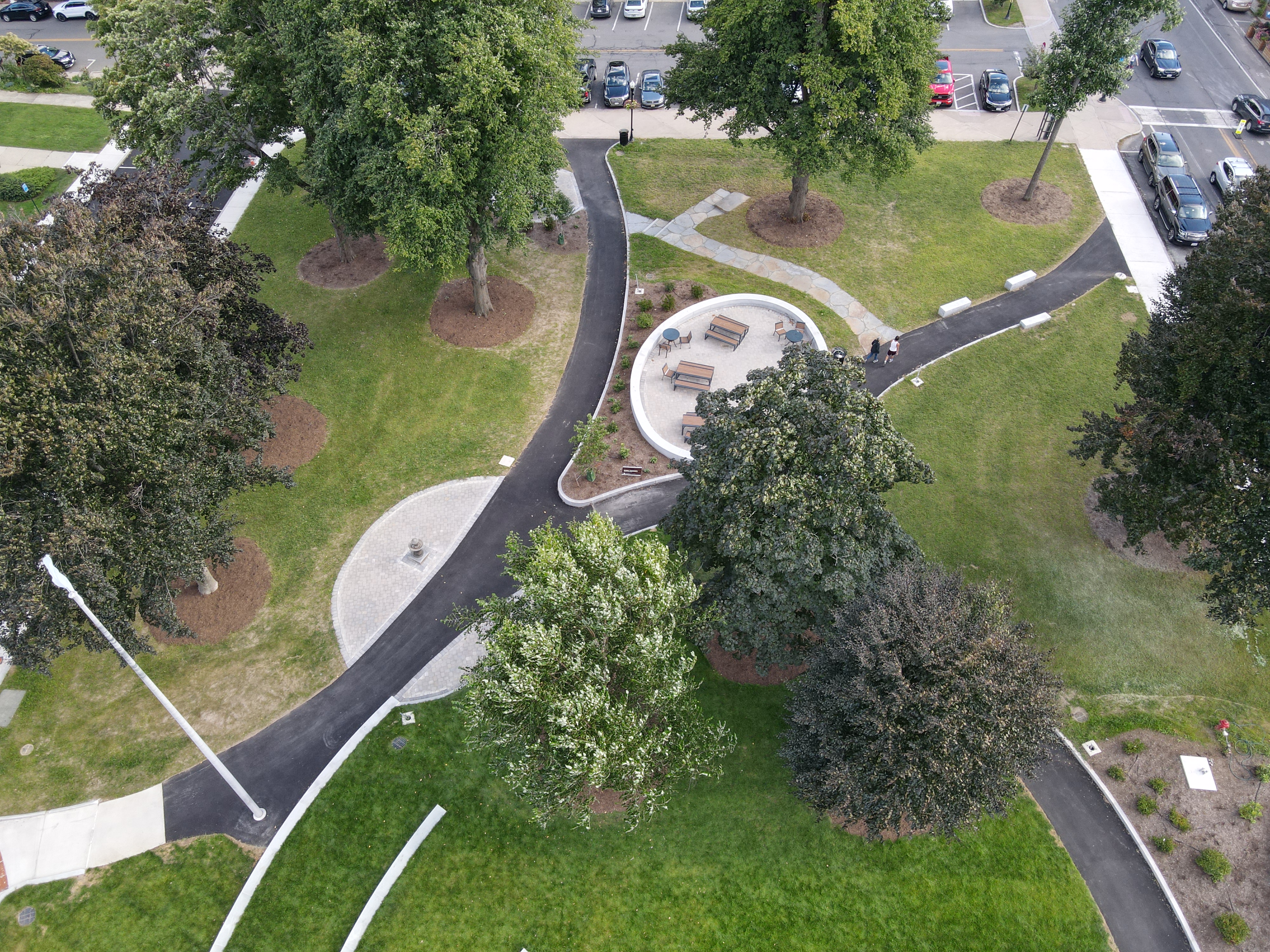
In urban design, paths are the channels along which people move. In downtown Amherst, several key routes facilitate movement and interaction. Main Street serves as a primary artery, connecting the eastern and western parts of town while offering access to various shops, restaurants, and cultural venues. This thoroughfare is lined with pedestrian-friendly sidewalks that encourage foot traffic, enhancing the walkability of the area. Additionally, side streets like Amity, North Pleasant Street and South Pleasant Street branch off Main Street, creating a network of paths that lead to residential areas, the University of Massachusetts Amherst, and other significant destinations. The presence of bike lanes further emphasizes the importance of diverse transportation methods, allowing for a dynamic flow of movement throughout the downtown.
Edge
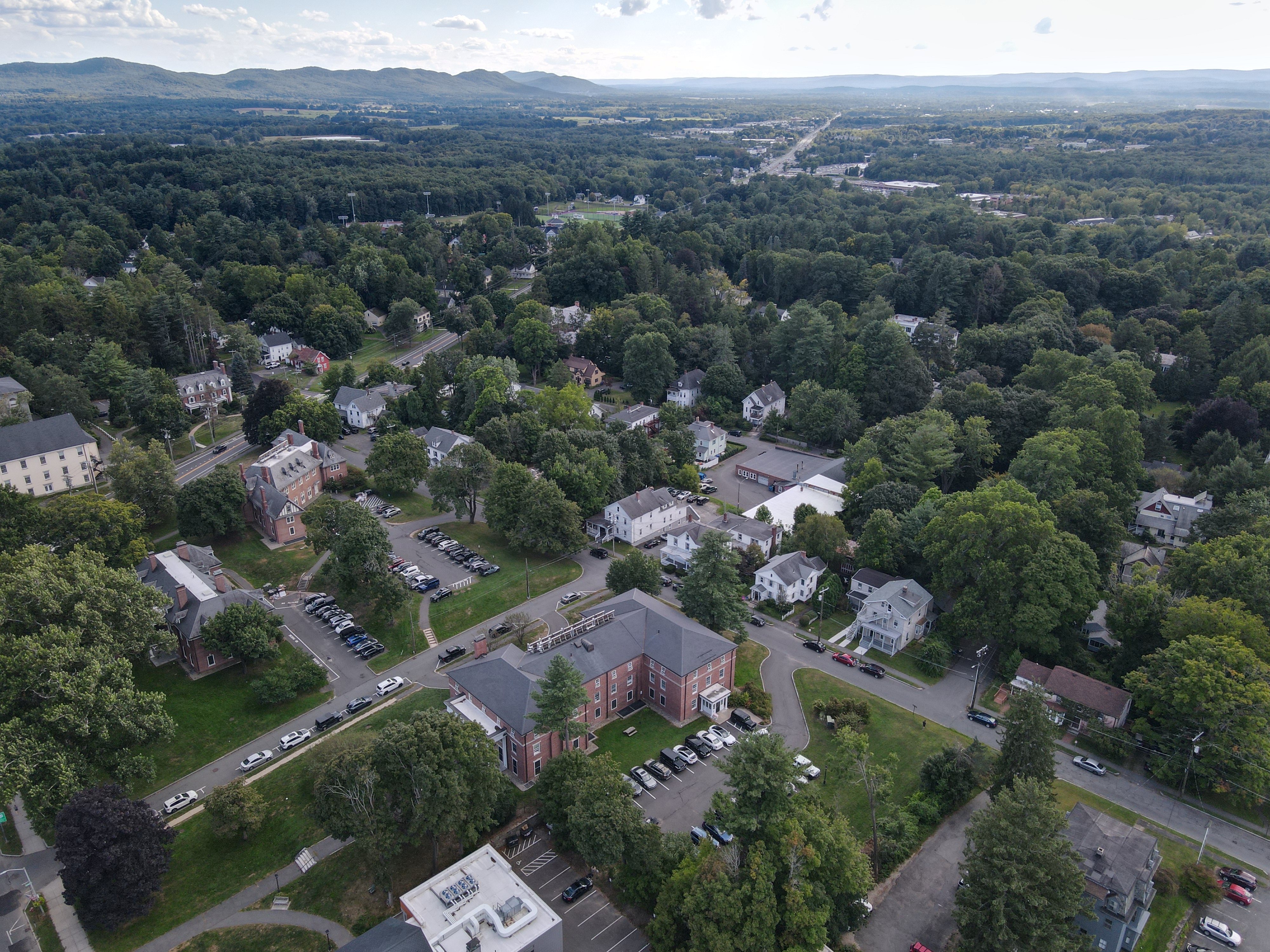
Edges in urban design are the boundaries that define spaces and influence their character. Downtown Amherst is bordered by both natural and man-made edges. The presence of the Norwottuck Rail Trail, which runs along the southern edge of downtown, not only provides a recreational space but also demarcates the transition between the urban core and the surrounding natural landscape. Similarly, the Amherst College campus creates a distinct edge to the south, influencing the character of downtown through its student population and academic activities. These edges contribute to a sense of place, marking the transition from the hustle of downtown to the quieter residential and natural surroundings.
District
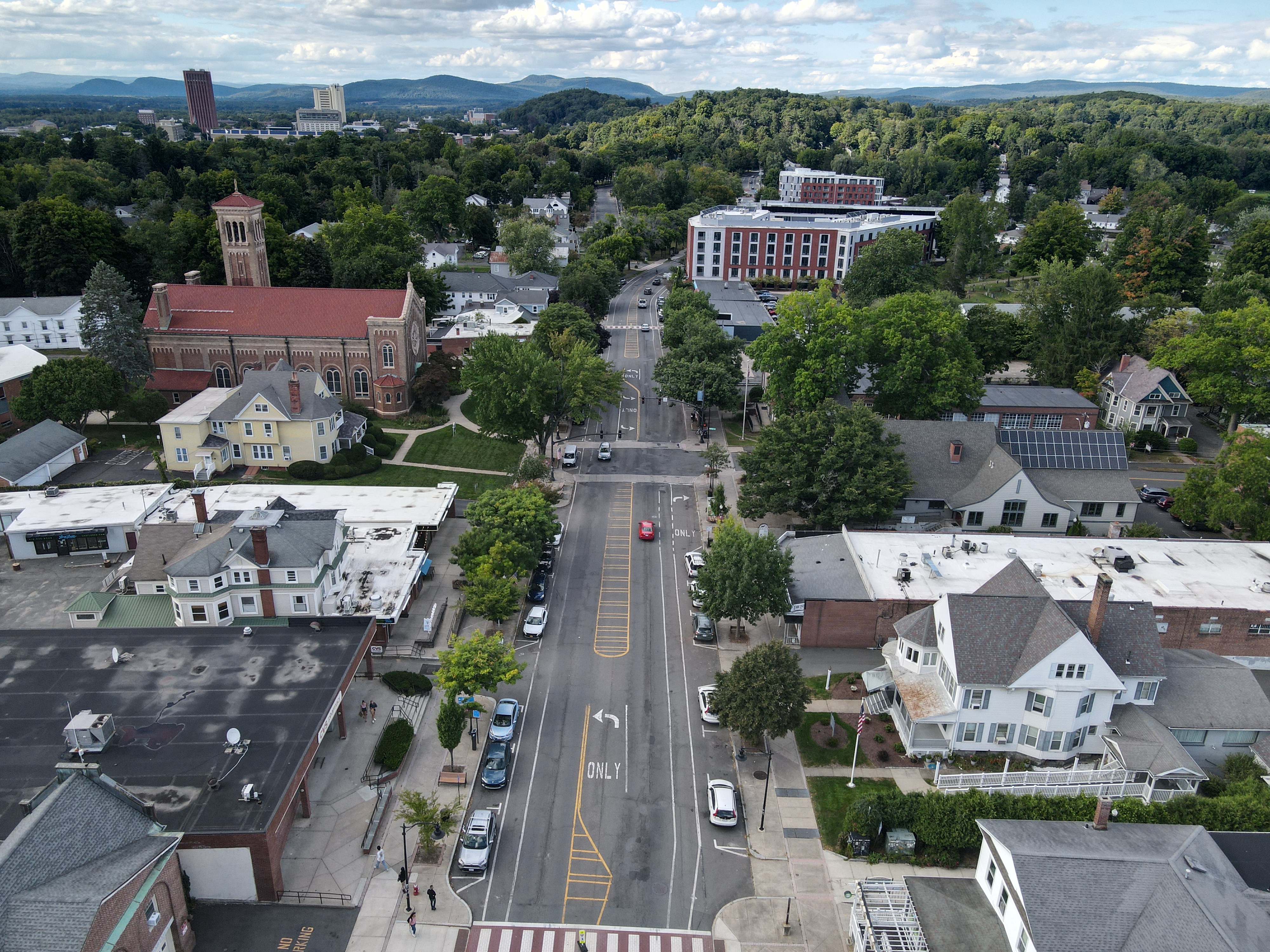
The downtown area can be categorized into various districts, each with its own identity and purpose. The commercial district along Main Street, Amity Street, South Pleasant, and North Pleasant features an array of local businesses, including cafes, bookstores, and artisanal shops, creating an atmosphere that attracts both locals and tourists. Adjacent to this commercial hub is the cultural district, where institutions like the Amherst Cinema and the Jones Library serve as vital resources for the community. This zoning fosters a sense of identity within the downtown area, allowing residents to engage with diverse experiences—whether they are shopping, dining, or participating in cultural events.
Landmark
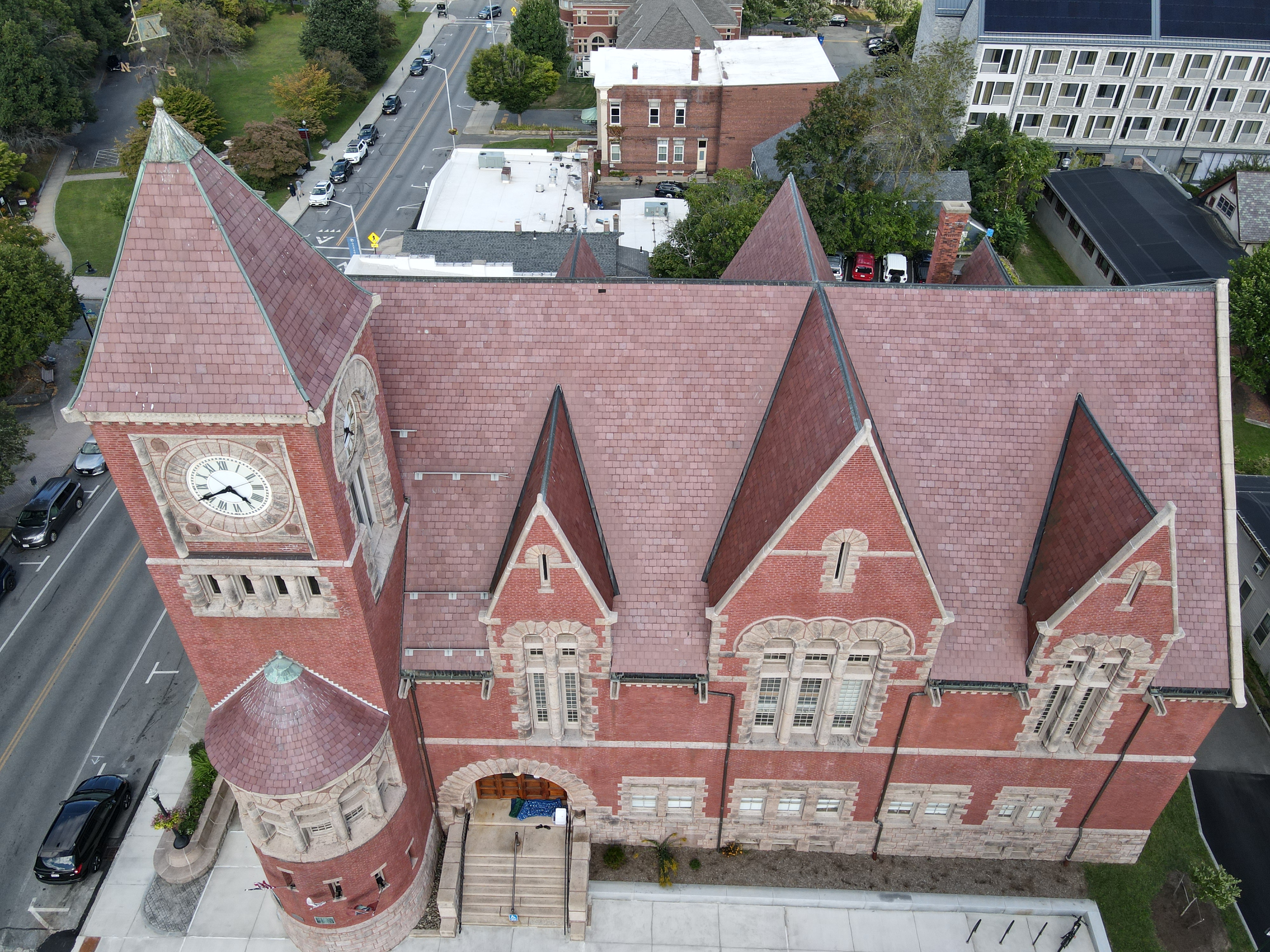
Landmarks play a crucial role in helping people orient themselves within an urban environment. In downtown Amherst, several notable landmarks stand out. The historic Town Hall, with its distinctive architecture, serves as a symbol of civic pride and a gathering place for community events. The Amherst College campus, with its striking buildings and expansive green spaces, acts as another key landmark, attracting visitors and students alike. These landmarks not only provide visual cues for navigation but also contribute to the historical narrative of the town, enriching the overall experience of downtown Amherst.
Node
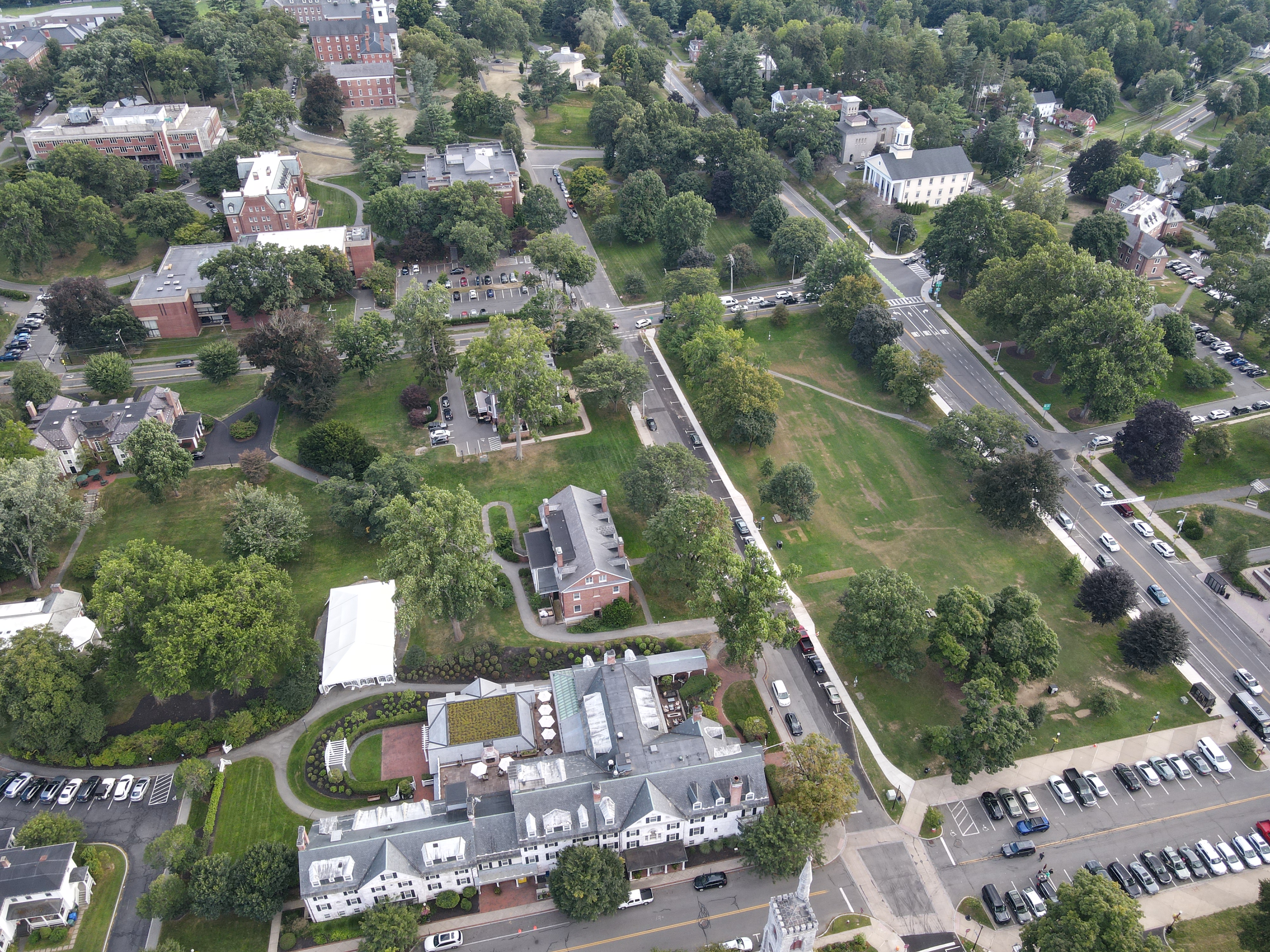
Nodes are strategic points within a city where various paths converge, creating hubs of activity. Downtown Amherst features several such nodes that facilitate social interaction and community engagement. The Town Common and Kendrick Park serves as vital nodes, where foot traffic from the university intersects with local commerce. This area is often bustling with activity, particularly during the academic year when students frequent nearby cafes and shops. Additionally, community events such as farmers’ markets or festivals often take place in these nodes, further reinforcing their role as central gathering spaces.
The urban structure of downtown Amherst is a rich tapestry woven together by paths, edges, districts, landmarks, and nodes. Each element plays a pivotal role in shaping the way residents and visitors navigate the space, fostering a sense of community and engagement. By understanding these components, we gain a deeper appreciation for the complexity and vibrancy of downtown Amherst, highlighting its significance as a hub of culture, commerce, and connection within the town. Please consider watching the lecture about the Architecture of the Town of Amherst on the Amherst Historical Society’s Youtube channel: History Bites: The Architecture of the Town of Amherst.
All photos by Jock McDonald
Stephen Schreiber is an architect and chair of the Department of Architecture at UMass Amherst. He was an elected Town Councilor in Amherst from 2018-2022.
Discover more from THE AMHERST CURRENT
Subscribe to get the latest posts sent to your email.
 THE AMHERST CURRENT
Yes, downtown Amherst presents a rich tapestry of historic and architectural treasures well worth citizens’ protection and preservation. Right on the town’s main square there is the charming little Subway shop and facing it across the square is the historic Bank of America building. Strolling up N. Pleasant St. one passes a pizza parlor, a tavern, various Asian restaurants and the stately CVS. Heaven forbid that any of these gems should be sacrificed to commercial or residential developments.
LikeLike