
By Shalini Bahl, PhD
Consumers have proven when they’re purposeful and organized they can be impactful. Recent boycotts of Amazon, protesting the company’s labor practices, environmental impact, and market dominance, join several other recent boycotts against corporate greed, high costs of living, and companies rolling back diversity, equity, and inclusion efforts. There’s power in our purchasing decisions. We can impact the world we want to live in.
For such initiatives to succeed, this shift needs to expand beyond occasional boycotts towards shopping in alignment with our values on an ongoing basis. It isn’t just about what we’re refusing to buy—it’s about what we actively choose to support.
What if we could reimagine our relationship with consumption? Beyond boycotting what we oppose, we can actively support businesses that align with our values—places that nourish both our communities and ourselves. Every purchase opportunity lets us protect and strengthen the unique character of our neighborhoods by choosing businesses that prioritize people and planet alongside profit.
This past semester, Isenberg School of Management students at UMass studied Amherst businesses that exemplify a shift in business thinking—moving from focusing solely on profits to considering benefits for employees, communities, and the environment. Through mindful marketing audits of local businesses, they identified how six exemplary establishments are uniquely contributing to the ecosystems within which they function.
The Hidden Impact of Your Daily Choices
Every purchase you make has an impact on our planet and casts a vote for the world you want to live in. Consider these stark realities:
- It takes about 140 liters of water to produce a single cup of coffee (World Economic Forum, 2019
- The fashion industry contributes around 10% of global carbon emissions—more than international flights and maritime shipping combined (Carbon Trail, 2025).
- Supply chains often conceal exploitation and unfair labor practices
- Ultra-processed foods and excess sugar threaten public health (Global Food Research Program 2023)
- Local shopping keeps a majority of expenditures in the region, reinvested in other businesses, such as lawyers, printers, suppliers, and funding little league jerseys
“If people who have the most, choose to live differently, we can address issues at the root of capitalism,” explains Mary Moore, whose local business exemplifies this philosophy.
Exemplary Change-Makers
Futura Coffee Roasters: Brewing Sustainable Communities, Cup by Cup

Located in Amherst’s Mill District, Futura Coffee Roasters takes a different approach than major chains that are removing seating to boost turnover (CNN, 2024). Futura provides a collaborative workspace with free WiFi. They source beans from farmers practicing regenerative agriculture and invest 3% of sales back into sustainable practices both locally and at origin farms. Their sibling organization, Biodiversal, helps small-scale Colombian farmers transition to regenerative methods.
“We’re part of a tight-knit community of business owners here in The Mill District,” says Camden, Futura’s general manager. “Carefree Cakery next door supports us, and we support them by featuring their fair-trade muffins exclusively.”
The Closet: Sustainable Fashion for Every Budget

“The clothing industry is the fourth largest contributor to the world’s pollution problem,” notes Andréa Marion, The Closet’s owner. Her solution? A welcoming boutique in the Mill District offering primarily luxury second-hand clothing at 60-75% below market prices, making sustainable fashion accessible to everyone—including college students on tight budgets. By promoting clothing reuse, businesses like The Closet help extend the lifecycle of garments—a crucial environmental service when Americans discard about 11.3 million tons of textile waste annually, with most ending up in landfills.
Andrea chose Amherst specifically “to be a resource for the student population” while helping the broader community make environmentally conscious buying choices. Her personal touch sets the shop apart: “I offer customers my time whether it’s helping them style an outfit, performing a closet edit, or just listening to what’s going on with them.”
Carefree Cakery: Sweet Justice for Everyone
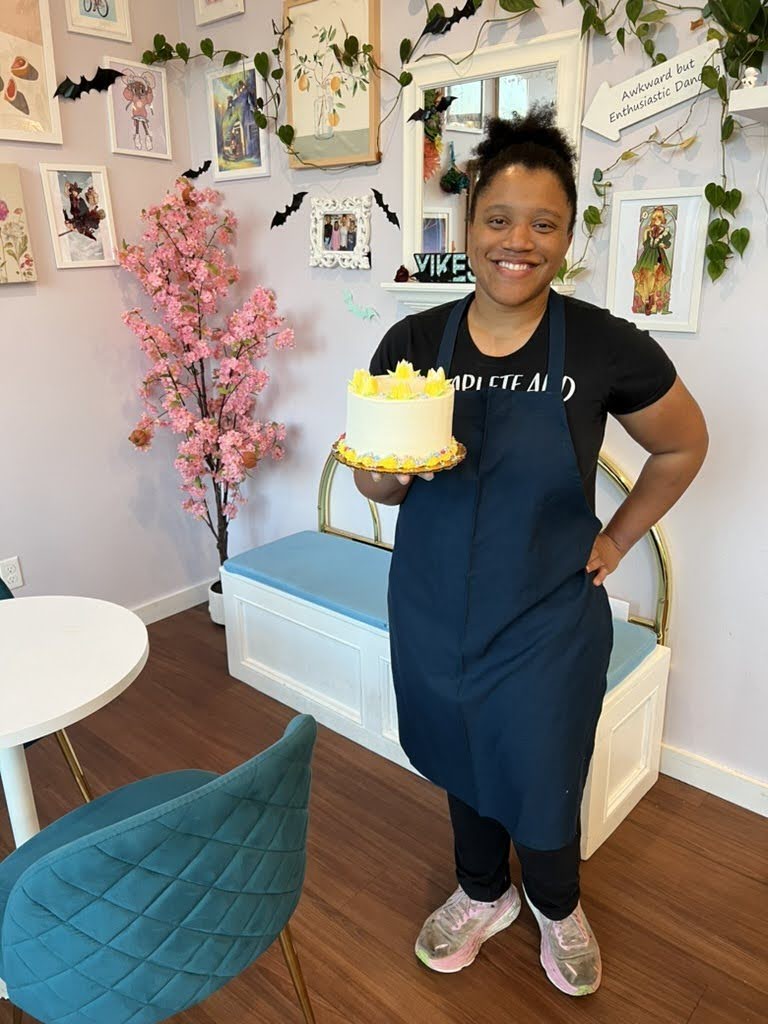
“I’ve had people come in saying, ‘My kid has never had cake before because he’s allergic to eggs, and I can’t get that anywhere.’ That’s why we’re here,” shares Alysia Bryant, founder and master baker at Carefree Cakery in the Mill District.
“The interesting thing about baking is it’s not that hard when it comes to actually catering to folks who have different allergies,” Bryant explains. “The reason why other bakeries can’t cater to allergies in the same way is because they’re not doing it from scratch.”
Carefree Cakery creates inclusive joy through allergen-friendly desserts while strengthening the local economy through fair trade ingredients and employee empowerment. Their custom cakes are both delicious with clean, made-from-scratch ingredients and stunning pieces of art that transform special occasions.
3 Amigos: Cultural Heritage Served Fresh
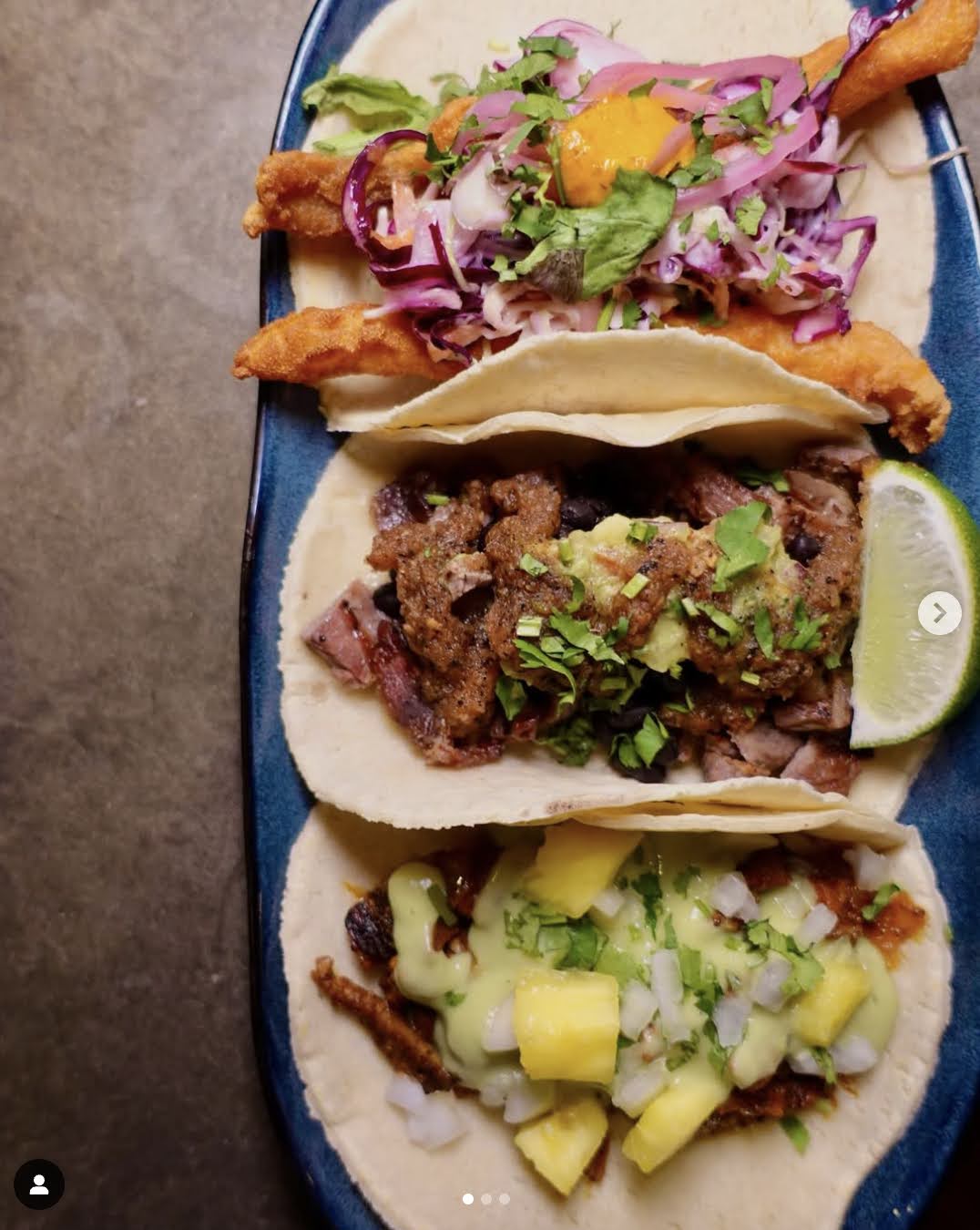
“Our ingredients are primarily locally sourced, allowing us to create authentic dishes that stay true to our country’s traditional recipes while we lower our carbon footprint and offer the freshest food possible,” shares co-founder, Matias Martinez.
Another Mill District gem in North Amherst, 3 Amigos was founded by immigrant families from Latin American countries. They’ve created a cultural bridge that preserves Latin American heritage while strengthening community bonds through partnerships with local farmers, meat vendors, artists, and cultural celebrations.
Their menu showcases the best dishes from Puerto Rico, Chile, and Mexico, offering a genuine taste of these diverse culinary traditions under one roof.
Mary Moore Design: A Sanctuary for Conscious Living

“Even if I don’t buy anything, it’s nice to just come in on a Saturday…it’s a sanctuary,” comments one customer about the shop’s welcoming atmosphere.
Mary Moore Design in downtown Amherst offers both a sanctuary-like retail space and personalized interior design services, with a business model firmly rooted in ethical sourcing and sustainable living practices.
The business places storytelling at the heart of its approach, with Mary Moore noting that “building relationships and calling attention to the stories behind her products” is central to her mission. By prioritizing direct relationships with BIPOC and Fair Trade artisans, composting, reusing materials, and fostering community connections through in-store classes, this business demonstrates how mindful consumption can create ripple effects of positive change throughout its network of stakeholders.
Kwench: Nourishment Made Accessible
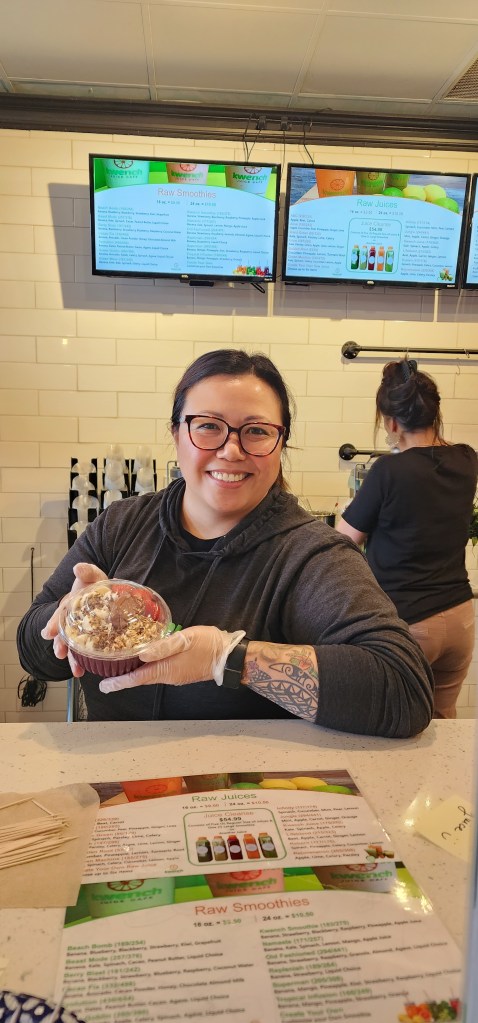
Located in downtown Amherst, Kwench makes all smoothies and açai bowls to order with high-quality ingredients sourced from local organic farms. Unlike competitors who rely on pre-mixed products containing preservatives and added sugars, Kwench’s commitment to fresh (never frozen), whole ingredients delivers superior nutrition, authentic flavors, and supports local agriculture.
The business emphasizes a positive staff culture and employee empowerment while providing a welcoming community space featuring local artwork, games, and occasional live music. Through its local sourcing practices, student discounts, university partnerships, and health-focused offerings, Kwench creates multiple touchpoints of value for the Amherst community.
Let’s Start a Quiet Revolution of Reclaiming Consumer Power
In an era of environmental urgency, persistent inequality, and political division, your purchasing decisions are an investment in the kind of world you want to live in.
However, being an intentional consumer isn’t about purchasing based on dogmas and guilt. It’s about creating moments of pause in our hurried lives—a gentle rebellion against the constant pressure to consume mindlessly.
When you step back and listen to that quiet voice within, you begin to see that each purchase carries meaning beyond the transaction. In a world that constantly tells us what we should want and who we should be, choosing differently becomes an act of love—both for ourselves and our community:
- Take a breath before buying, allowing yourself the sacred space to ask: “What truly sustains me and the world I live in?”
- Cherish each item you bring into your life, valuing presence over possession
- Align your spending with what matters to you, not just what is most trendy
- Share your discoveries as acts of connection, knowing that in times like these, to truly be heard and to listen to one another is everything
The next time you need coffee, a special gift, or want to refresh your wardrobe, consider visiting a mindful business. The Mill District alone is home to 21 unique local businesses to explore, including Futura Coffee Roasters, The Closet, Carefree Cakery, and 3 Amigos featured in this article. Downtown Amherst offers many more local gems, including Mary Moore Design and Kwench.


Our default habits and attachment to convenience will inevitably pull us back to familiar patterns. What helps is pausing to understand these patterns and realigning with our deeper intentions and values.
Your choice supports local families and a vision for a more sustainable, equitable, and connected community and world. As you consider your next purchase, pause to ask yourself, “What kind of world do I want my dollar to create?”
Shalini Bahl, PhD, is a former Amherst town councilor, award-winning researcher, author, and mindfulness consultant who teaches mindful marketing at Isenberg School of Management and works with local businesses in the Pioneer Valley. She can be reached at shalini@knowyourmind.training
Discover more from THE AMHERST CURRENT
Subscribe to get the latest posts sent to your email.
 THE AMHERST CURRENT