
By Pat De Angelis
In 2025, more than 200 leaders from five sectors gathered in Chicago for the first-ever National Convening on Children’s Racial Learning. The organization that brought them together is based right here in Amherst.
That organization is EmbraceRace, and its founders, Melissa Giraud and Andrew Grant-Thomas, are our neighbors. Their story here began, as many parents’ do, with a search for a daycare.
In 2012, they moved to Amherst with their two children, then four and two years old. They wanted to be near extended family in Boston and New Haven, and they knew Amherst’s reputation as a safe, relatively affordable, progressive town. For the parents of two brown-skinned kids, the racial diversity of the elementary schools appealed to them, too.
They asked about racial diversity and community at several private daycares. One director told them that their school didn’t have any “dark kids.” Another responded to the race question with, “We’re very international.” At a third, a visit to a classroom for older kids turned up a well-thumbed copy of Helen Bannerman’s very racist Little Black Sambo on the shelf. The mortified director removed it.
They ultimately sent their kids to The Common School for preschool. The place was relatively diverse, racially and socioeconomically, and they liked what they heard about the community’s diversity efforts: “We’re trying but we’re far from having it all figured out. Join us and we’ll work on it together.” Both children went on to the Amherst Regional Public Schools, from which the eldest graduated earlier this year.
Andrew and Melissa did not (and do not) have it all figured out either. They’ve both had a lot of experience engaging race personally and professionally.
Melissa is the daughter of immigrants: a father from Dominica and a French-Canadian mother from Quebec. She and her two sisters, multiracial and White-to-light-presenting, grew up in a Puerto Rican neighborhood in Springfield’s North End and attended an Irish Catholic elementary school where anti-Black racism was palpable. Friends nicknamed her “n-lips” (using the full slur), which perhaps they thought was harmless because she couldn’t be Black, could she? Adults she didn’t know regularly asked, “What are you?” She felt diminished, and too ashamed to tell her parents. They were proud of their heritage and had a wide circle of multihued, mostly immigrant friends, but they didn’t have the tools for making sense of race in America. And to many, Melissa’s family did not make sense.
Andrew immigrated from Jamaica at age seven and grew up in New Haven in the late 1970s and ’80s, where racism touched every member of his family. A professor told his mother she couldn’t have written her own essay because she’d never seen a Black student write that well. His father was repeatedly passed over for promotion in favor of less qualified White colleagues. A seventh-grade teacher insisted Andrew couldn’t have done his own history project. Meanwhile, White classmates told him he was “Jamaican, not Black,” and adults lavished praise on the polite, well-behaved boy – the flip side of low expectations for Black boys. His parents did their best to help him make sense of it, but, like Melissa’s, they lacked the tools.
Recalling how ill-equipped their own parents had been, Melissa and Andrew paid attention when, during their children’s preschool years, they found themselves in community with parents of color and White parents asking resonant questions: What do you do when your child prefers the White dolls? When “skin-color” Band-Aids match only some skin? How do you ask a teacher for more books featuring children of color without putting her on the defensive? The need for resources and community was obvious, and largely unmet.
They brought complementary skills to meeting it. Andrew, who holds a PhD in political science focused on race and public opinion, had worked at Proteus Fund, the Kirwan Institute for the Study of Race & Ethnicity at Ohio State, and the Harvard Civil Rights Project. He had some experience raising money from private foundations. Melissa had taught bilingual fourth grade, advised communities designing equitable schools, and produced stories for NPR. Both were comfortable with academic research, and both knew busy parents wouldn’t read it. So they set out to make it accessible.
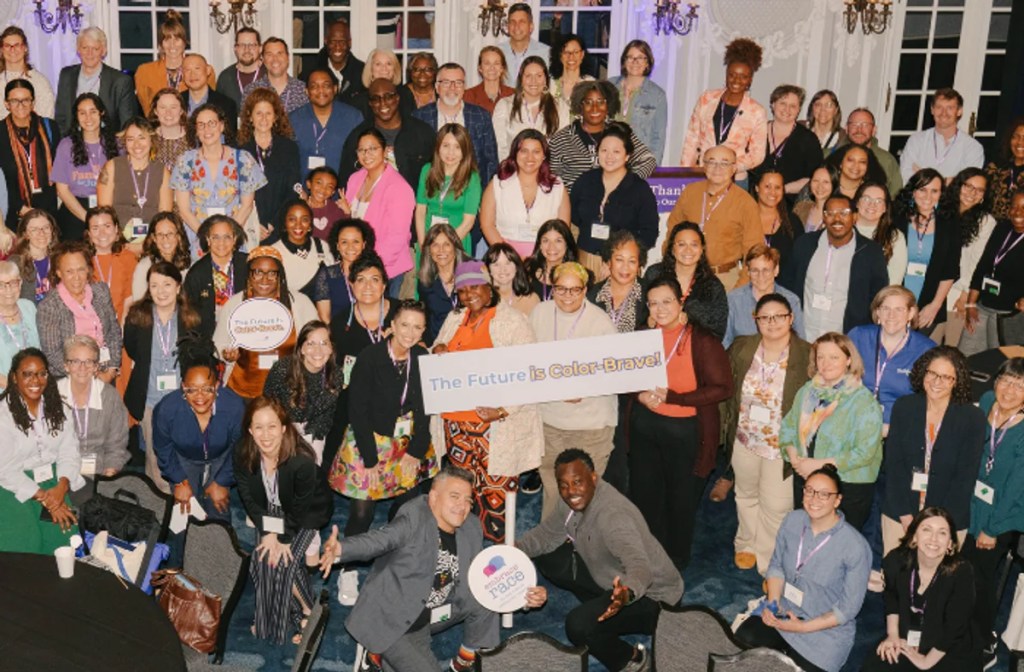
EmbraceRace began on Facebook in fall 2015. In April 2016, with seed money from the Kellogg Foundation, came a website and a dozen bloggers. Regular webinars and research-informed Action Guides followed in 2017.
In the decade since, EmbraceRace has become one of the country’s leading resources on how children learn about race and how the adults in their lives can guide that learning. It developed the Color-Brave Caregiver Framework and Practices, launched caregiver learning cohorts, and built the R3 Network, which connects families with researchers studying children’s racial learning. The first season of its podcast drew more than 10,000 downloads. Its work has been featured by NBC, CNN, NPR, the New York Times, and the Chronicle of Philanthropy, among other outlets.
This past summer, Andrew, Melissa, and their team held in-depth conversations with leaders of some two dozen national organizations in education, pediatrics, children’s media, parenting practice, and research about what the field of children’s racial learning needs next. Those conversations are shaping EmbraceRace’s next chapter: helping the many organizations that care about children and race find one another and build on each other’s work.
What surprised me most is how much of this national work has roots right here.
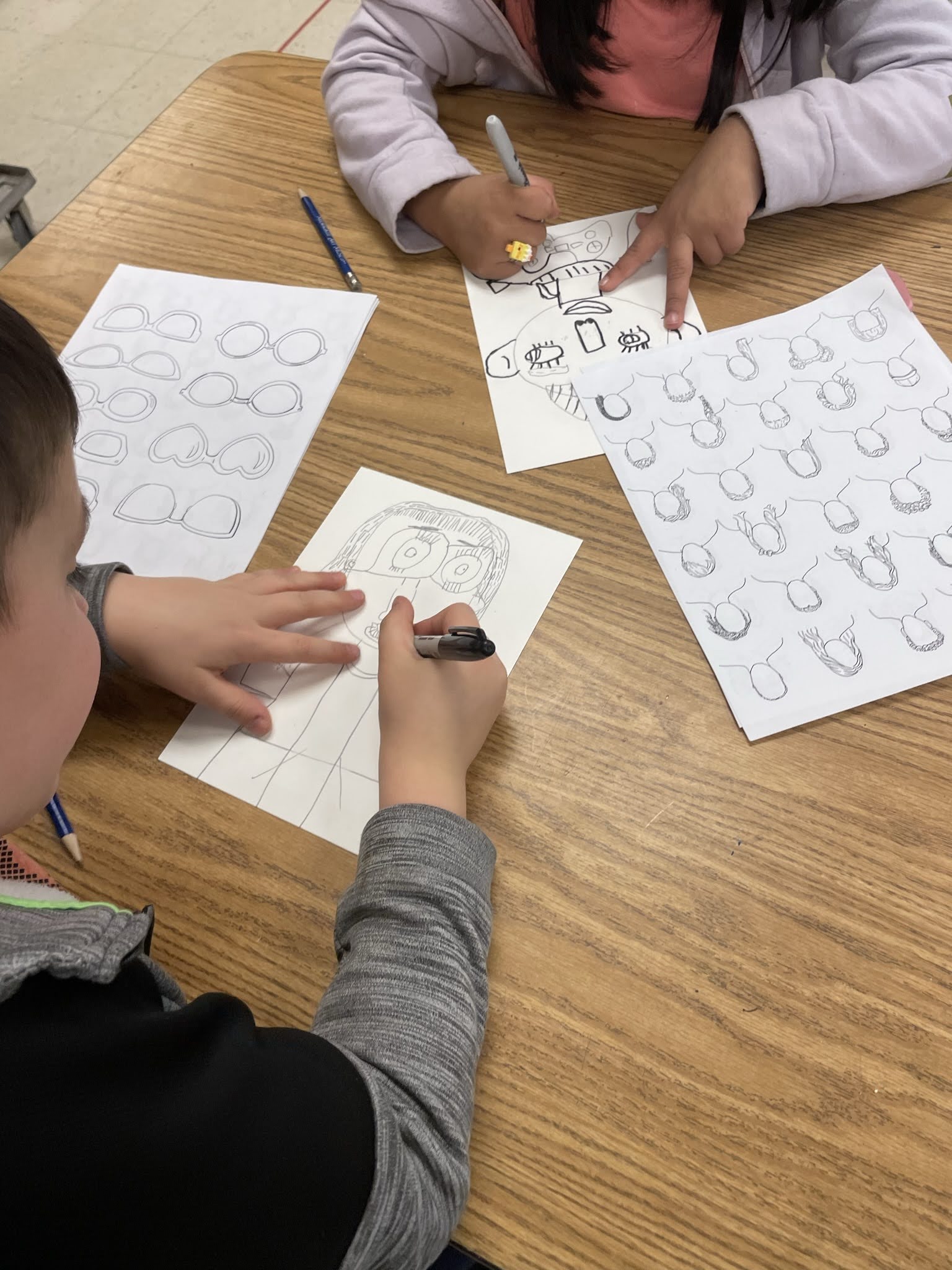
In 2023, The Common School became the first classroom pilot site for Drawing Differences, an EmbraceRace arts curriculum. EmbraceRace trained the teachers, sat in on lessons, and refined the program based on classroom feedback. Crocker Farm and the Jones Library helped refine it further before it went out to classrooms across the country.
Less than two years later, Drawing Differences inspired “Re/Presenting: Art Beyond the Color Line,” an exhibit at Amherst College’s Mead Art Museum, copresented with the Jones Library and the Eric Carle Museum of Picture Book Art. More than 7,000 people visited the Mead while the exhibit was on view, including 45 K–12 classes and 12 college classes, and 18 related public programs drew over 800 attendees. At its April 2025 capstone, the celebrated children’s book illustrators Raúl Colón, Grace Lin, and Oge Mora sat and drew alongside local kids and families. A single Amherst classroom had become a museum program reaching thousands in town and reaching exponentially more across the country.
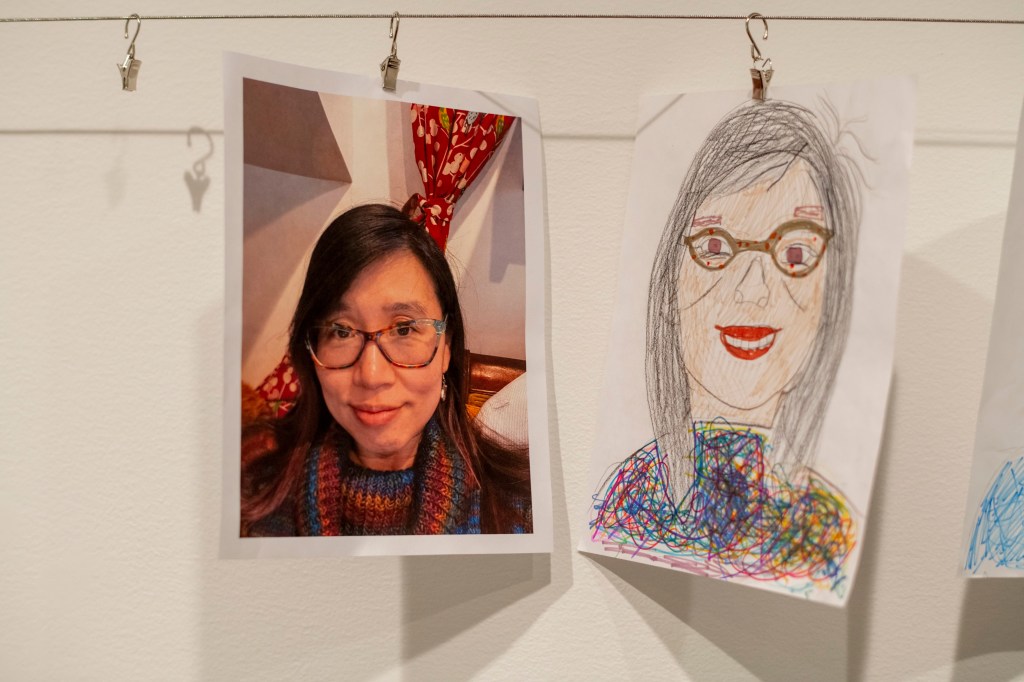
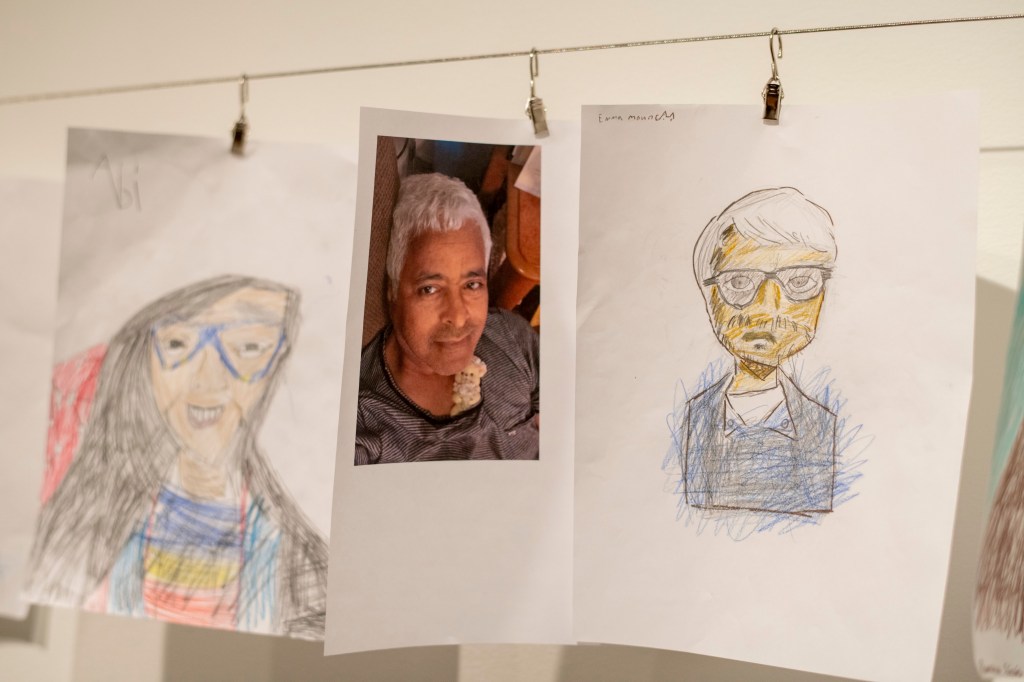
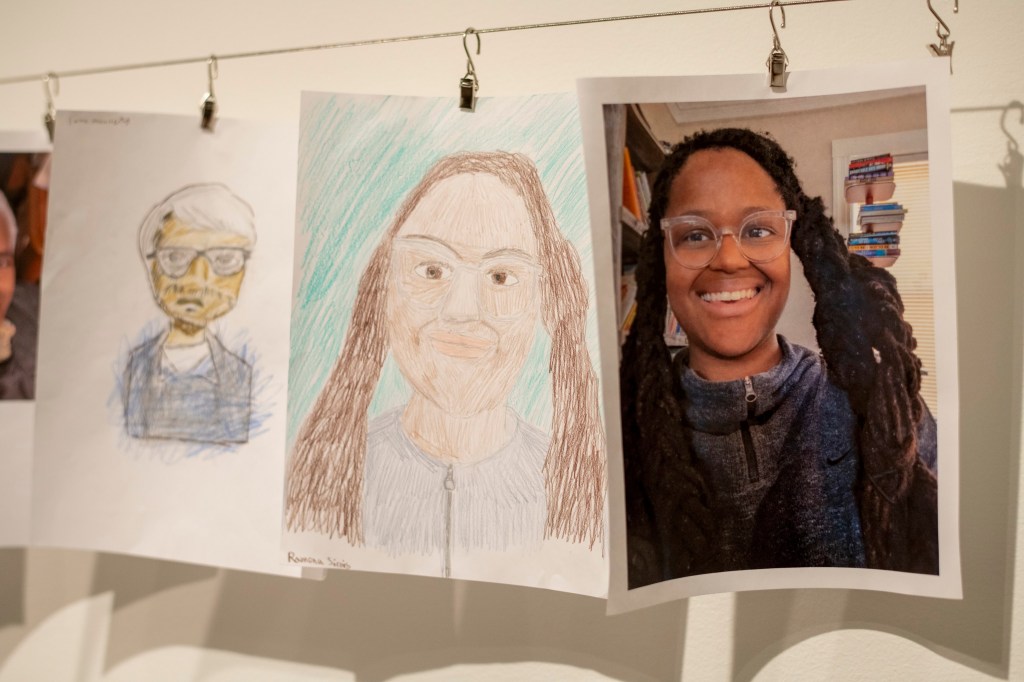
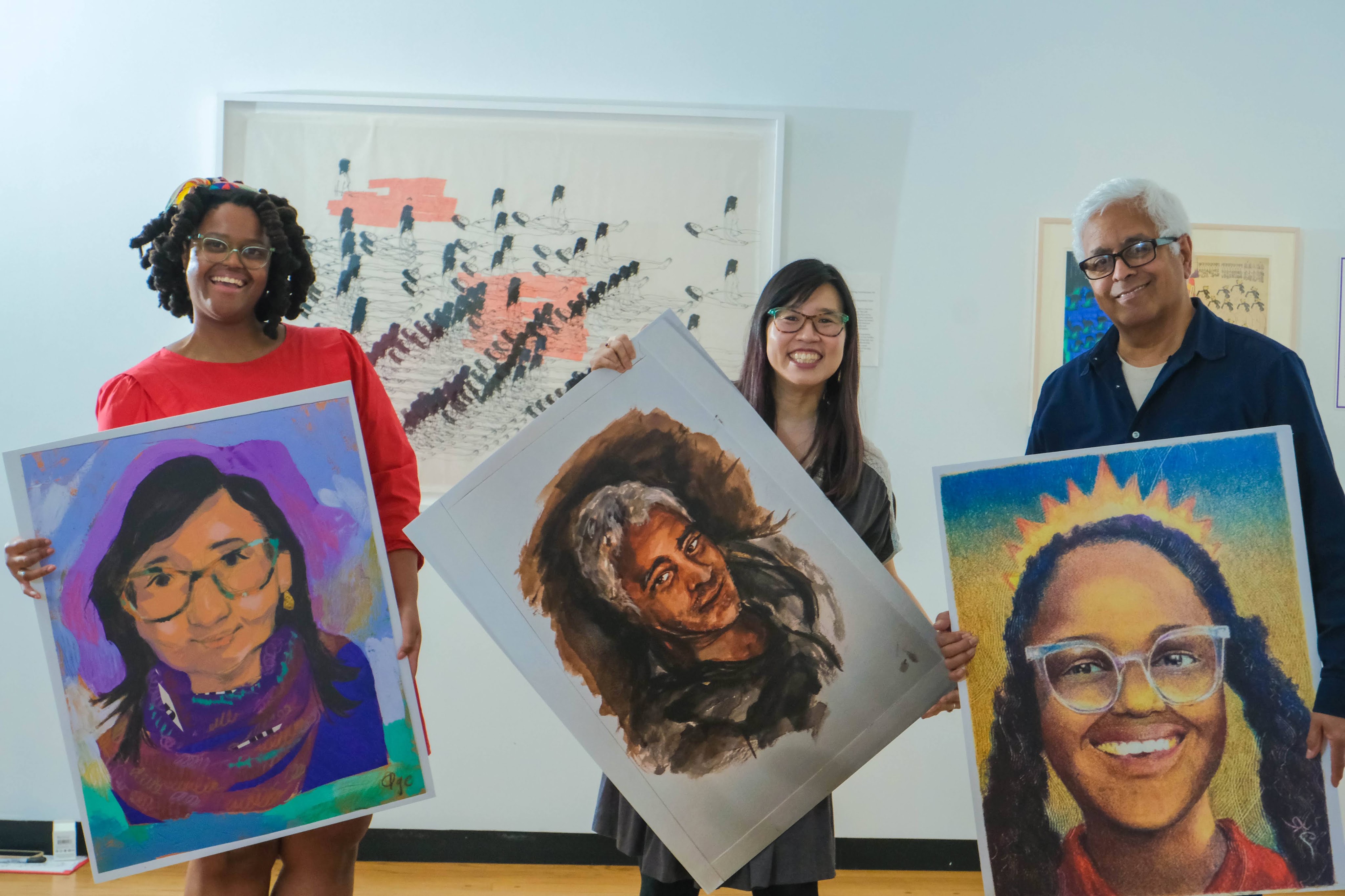
The local partnerships run deeper than one exhibit. EmbraceRace’s relationship with the Carle Museum goes back many years, and the organization has partnered with faculty and research centers at UMass Amherst.
Its newest work began in Northampton, where a 2021 conversation with the public schools about a course for early childhood educators became the seed of the Color-Brave Fellowship. That nine-month fellowship for PK–8 teachers launched this fall, alongside a companion fellowship for school and district leaders. Northampton and Amherst educators are among the first cohorts, and the state Department of Elementary and Secondary Education has promoted the teachers’ fellowship across Massachusetts. Now, EmbraceRace is reaching out to school districts from Greenfield to Holyoke and Springfield, in hopes of making Western Massachusetts a model for what this work can look like across a whole region.
Andrew and Melissa have served on local boards and on various school and town committees. Theirs is an organization whose work has been tested in our schools and shared in our museums and library.
Melissa and Andrew have brought together countless caregivers, parents, educators, volunteers, and institutions to help every child learn about race with curiosity, courage, and compassion. That work matters more now, not less. As a nation, we’re coming apart at our racial seams, with book bans, attacks on immigrant children and families (and on those thought to be), and the defunding of programs that support a diverse, loving, and collaborative community. “The work has grown for us but the funding has definitely decreased significantly,” Andrew shares. “But we are still hopeful that we can turn it around.” One positive sign: EmbraceRace recently received a Robert Wood Johnson Foundation grant.
“We’ve been told we should change our name to something like ‘Americans for American Values’ in order to attract funding. But avoiding race couldn’t be more off-brand for us, right?” Melissa laughs.
EmbraceRace’s work continues, and it gives me hope. Its goal is an American society where children grow into people who are thoughtful, informed, and brave about race, and who work together toward equity and justice for all.
Much of what EmbraceRace offers is free, including webinars, guides, and resources for parents and teachers, all at embracerace.org. It’s sustained by the people and institutions who believe in it. If you’ve ever been at a loss for words when a child asked about skin color, or wished your child’s classroom had more books that looked like the whole world, I’d encourage you to take a look. And if what you find moves you, consider lending your support.
Andrew and Melissa inspire me. They’ve taken the questions of parents, caregivers, and educators and made a path for us to walk together. James Baldwin once wrote, “If I love you, I have to make you conscious of the things you don’t see.” Melissa and Andrew help us to see, to learn, and to love.
All images via EmbraceRace. Follow EmbraceRace on Facebook or go to embracerace.org for more.
Discover more from THE AMHERST CURRENT
Subscribe to get the latest posts sent to your email.

